Marty Rothschild

Vice President of Sales & Marketing


Don't Be Left Out In The “Cold”
How To Assure Cold Food Is Served Cold

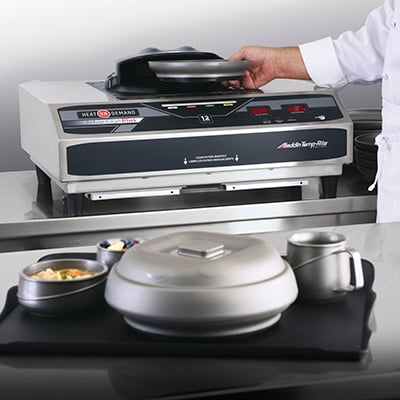
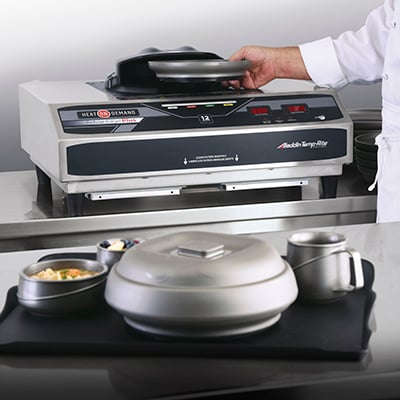
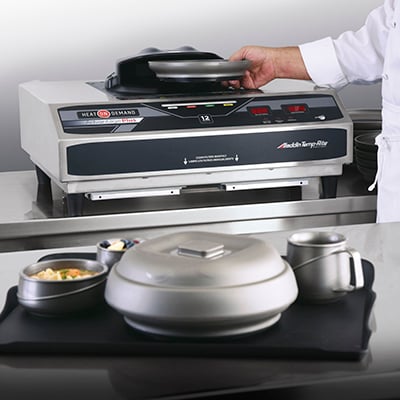
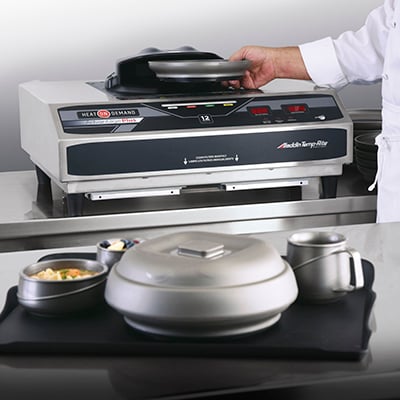
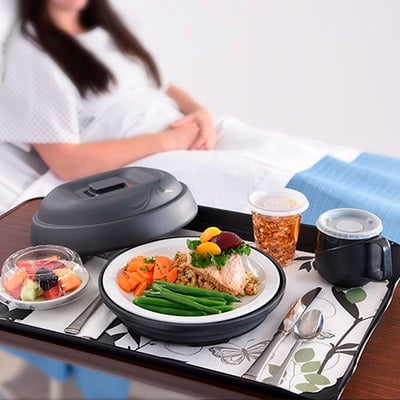
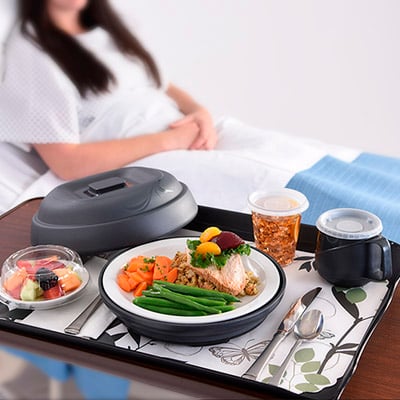
When it comes to the temperature of food most of us think of hot food, hot soup, and hot beverage served steaming. When patient satisfaction scores decline one of the first places we look to improve is the hot foods, particularly the entrée temperature. Attention naturally goes to the “star of the show,” the center of the plate, and that is why so many of you have chosen one of our Heat On Demand® Systems.

The fact is that there is a high correlation to patient satisfaction scores linking taste of food and temperature of food; but temperature may not only be a “hot” issue.

Often overlooked in this correlation are the cold items. Salads, desserts, milk, soft drinks – any food or beverage that is supposed to be cold; when served at room temperature (or above) can be a real turn-off causing patient satisfaction to go down. We call this an inverse relationship; as the cold food temperature rises … the patient satisfaction sinks.

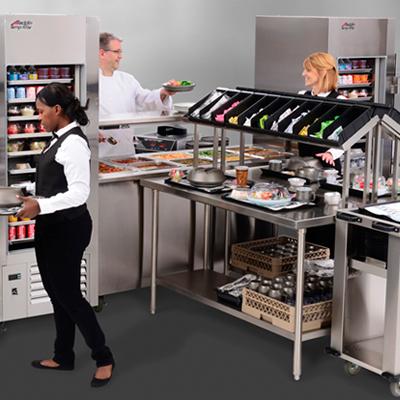
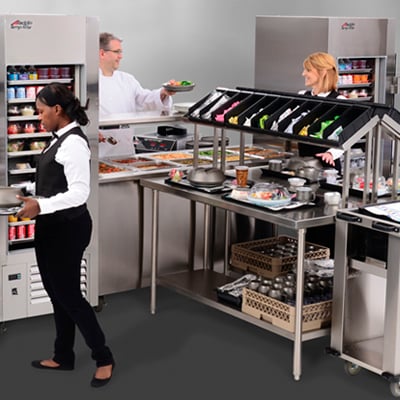
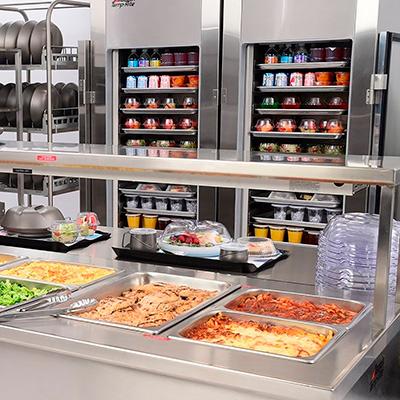
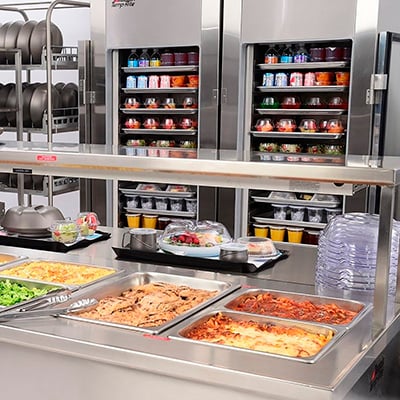
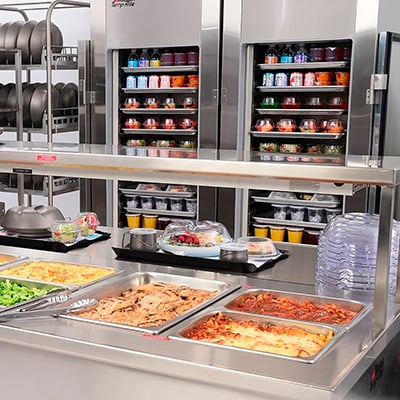
There is no doubt that cold food maintenance on the tray line has come a long way in recent years. Air curtains, reach-in refrigerators, cold (frost) tops and cold wells, as well as ice cream freezers and milk boxes have all advanced the cold holding capability in the kitchen.

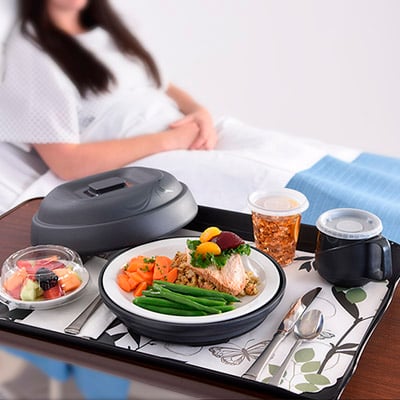
Ah, but what happens after the food is plated and then transported? That is where the compromise begins and where the patient satisfaction and accreditation scores plummet. You see with all the attention given to the hot food and little, if any, given to the cold food it is quite possible for the cold food to arrive at the patient’s bedside in a tepid state.

Wilted lettuce, warm milk, or melted Jell-O® all can, unfortunately, be the defining point of the patient dining experience. Gone is the impact of the steaming hot entrée if the milk caused a gag reflex.

Often, all of the care, and attention, on the tray line and in the kitchen to insure cold food input may still be compromised during the delivery process. The minute the cart door closes, the cold food begins heating-up.

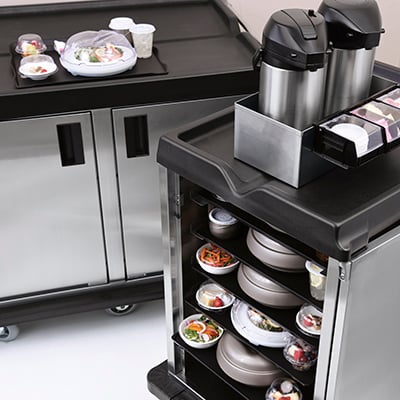
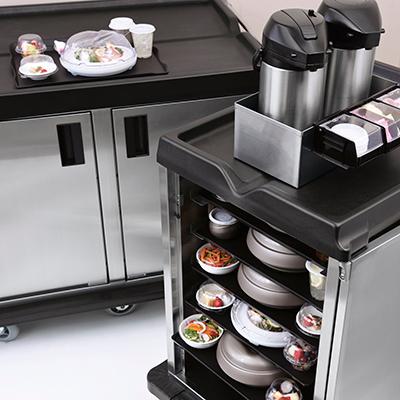
Most delivery methods used today contain an active “assist” for the heated items, such as our Heat On Demand or InsulMax™ Systems. Another alternative may be a boost where food that is placed in a cart that has convection or conduction technology “on board” the cart (hot/cold cart).

In the first example, cold food is left to fend for itself – in the latter some maintenance refrigeration may also be “on-board” the boost cart.

Other systems exist that could be called “passive” – these do not include any boost or active heat or cold sources, they merely hold the temperatures as best as thermally possible – our insulated trays for example. Here, the insulation is the holding agent and the trays have been designed to hold and maintain food temperature much like a thermos bottle would hold beverage temperatures.

These are the present cold methods used to maintain temperatures during meal delivery for conventional cook-serve production. Options for cook-chill are different with heat being supplied by conduction or convection (or both) while cold refrigerated air is blown in the cart via convection. Once again, the cold hold capability is a function of temperature, distribution, time, insulation and storage. The results can be quite impressive since the food is thoroughly saturated with cold air and protected in the delivery process. Our state of the art Convect-Rite III® and Prime (convection) and Excel and Temp-Rite® II (conduction) Systems are examples of these cook-chill offerings.

However, since the majority of healthcare meals are conventional cook-serve, let’s return to the options already mentioned. Again, the largest portion of these conventional, cook- serve meals are delivered on systems with active heat sources and little, if any, protection or assistance for cold foods.

Both the passive (insulated trays) and the boost carts, although in certain circumstances can be used effectively are less popular in the market so we will concentrate on the most frequently used methods.

So what to do with the active base systems where cold food is admittedly compromised? Along with cold food holding on the tray line, additional care for cold can only help. Remember to store and handle cold food properly. For example, move cans of fruit cocktail from the pantry to the refrigerator the night before. Chill plates or bowls as appropriate. Don’t stack cold items above the source of cold (i.e. the cold well). Remember also, don’t insulate cold items on the cold line – I have seen milk placed on a plastic tray on top of a cold top – a definite no-no. Overlooking details such as these can easily compromise your cold temps.

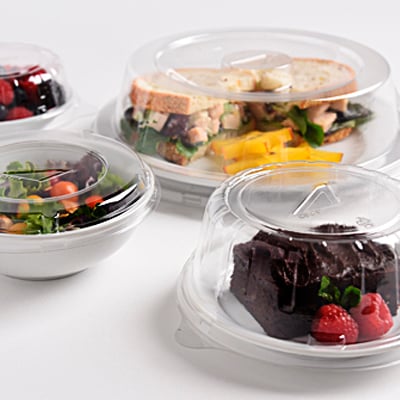
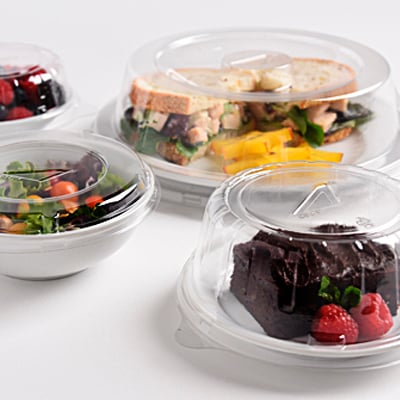
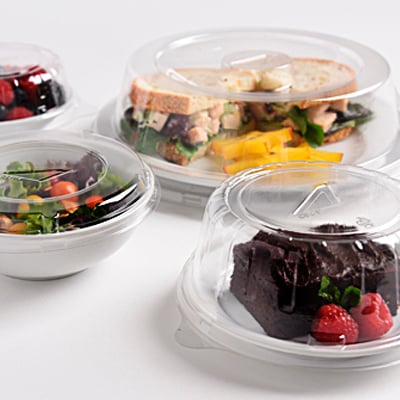
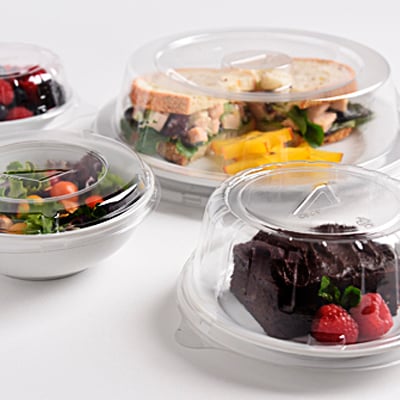
An option frequently used is simple insulation. Cold items can be placed into disposable or reusable cups and bowls. Results are varied depending on input temperatures, amount of insulation and delivery time. Cold holding expectations here can be as little as 20 minutes to as long as 45 minutes.

For longer holding and additional cold food “security” consider an active cold source, like our recently introduced Ready Chill® System. The Ready Chill concept is similar to “blue ice” you may be familiar with that is used in lunch boxes and picnic baskets or chests. Ready Chill is configured in the shape of a round dish and maintains cold temperature up to 1 hour; cold food served at below 45 degrees F. Now with Heat On Demand and Ready Chill, there are methods available to hold both hot and cold food for one hour.

Ready Chill actually stores sub freezing temperature. The cold “base” is placed in the freezer and is frozen overnight or a minimum of 4 hours. Cold items are then placed on the Ready Chill base and the result is jiggly Jell-O, cold milk and crisp salad … and happier patients and inspectors.

So, for safety and for satisfaction, consider your cold food options and don’t ignore the details. It begins on the tray line, but it doesn’t end there. What steam is to the hot food, frost is to cold food. Here is the chance to exceed expectations since the anticipated first gulp or bite will be a chilly surprise!

Be sure to read more on the Aladdin Systems mentioned elsewhere on our web site.


To receive timely information about Aladdin's innovative products, register for our enewsletter.


Blue Linen TrayCover


Clear Dimensions


ReadyChill
ReadyChill®


View All New Products


Rothschild Receives Cabot Award

Toronto’s Hospital for Sick Children implements a room service program with Aladdin’s Heat On Demand.

At Toronto’s Hospital for Sick Children, the challenge was to get children healthy enough to go home. Aladdin’s Heat On Demand Ultra meal delivery system helped the foodservice staff make meals more appetizing, meeting the childrens’ nutritional needs and improving their appetites — and raised the hospital’s patient satisfaction scores.

Case Study -

Case Study Archives

In The News Archives


  • TBA